Sam's Club
As the primary designer, I redesigned how Sam's Club communicates with its members — spanning in-app messaging, a community portal, and marketing automation.
Role: Primary designer, end to end
With: Product, Engineering, Marketing, Content, Legal
Problem
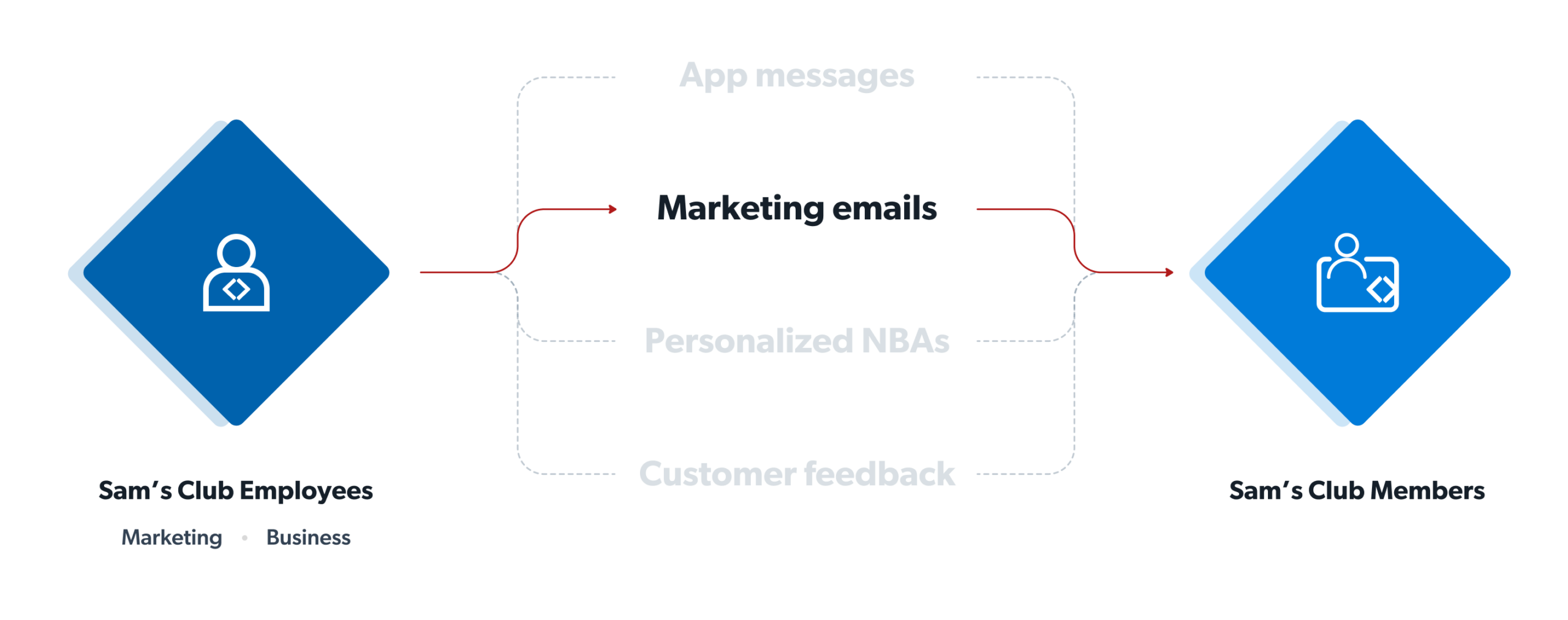
The core problem with messaging and marketing was simple: it was inaccessible, disjointed, and unpersonalized.
The result: missed engagement, unreached audiences, and a member experience that felt disconnected.
Strategy
Three connected workstreams — how Sam's Club talks to members, how it plans those communications, and how members talk back.
- Message Center: A centralized destination for member communications.
- Marketing: The workflow foundations behind how communications are planned and delivered.
- Member's Mark Community: A space for members to engage, share feedback, and influence what Sam's carries.
Message Center
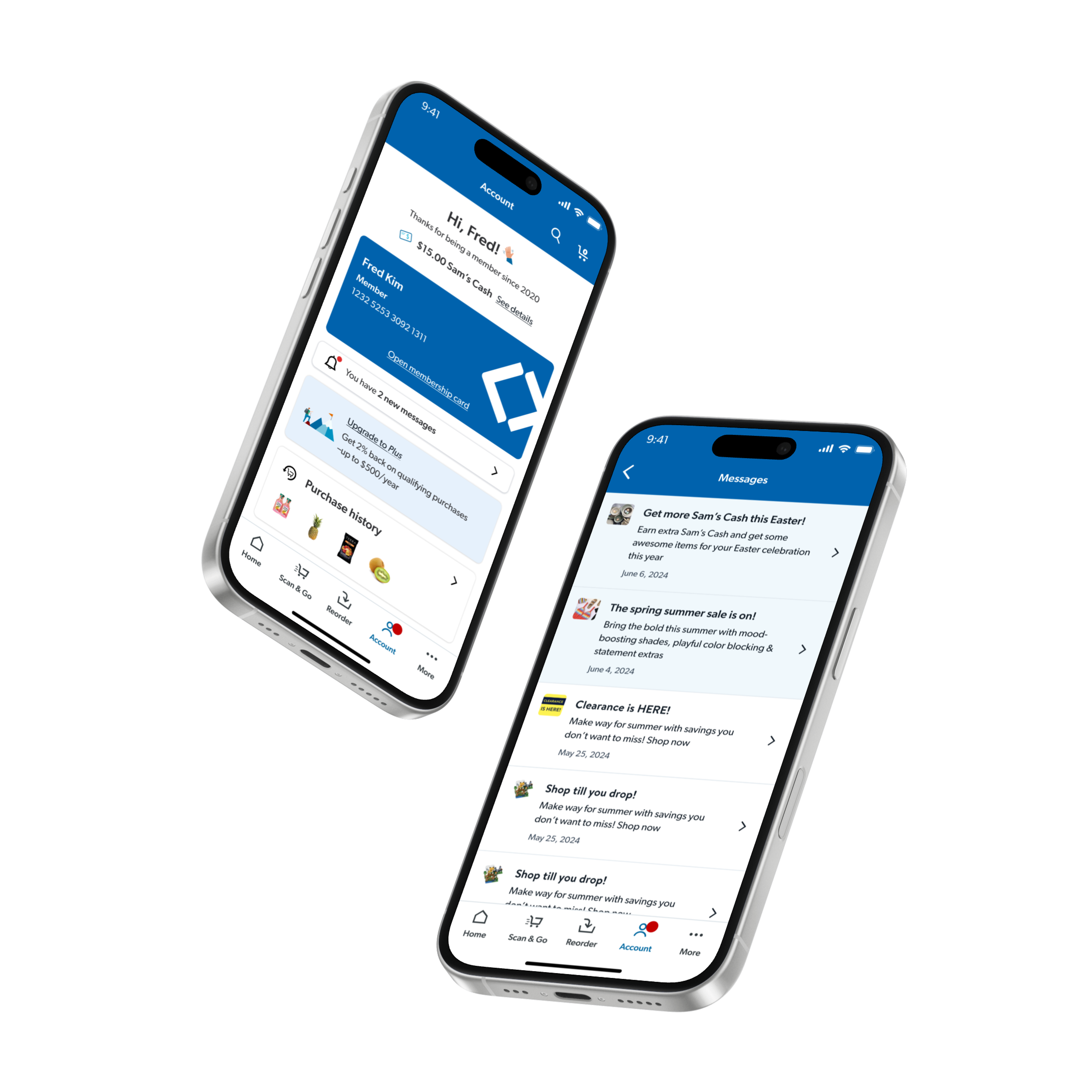
The product
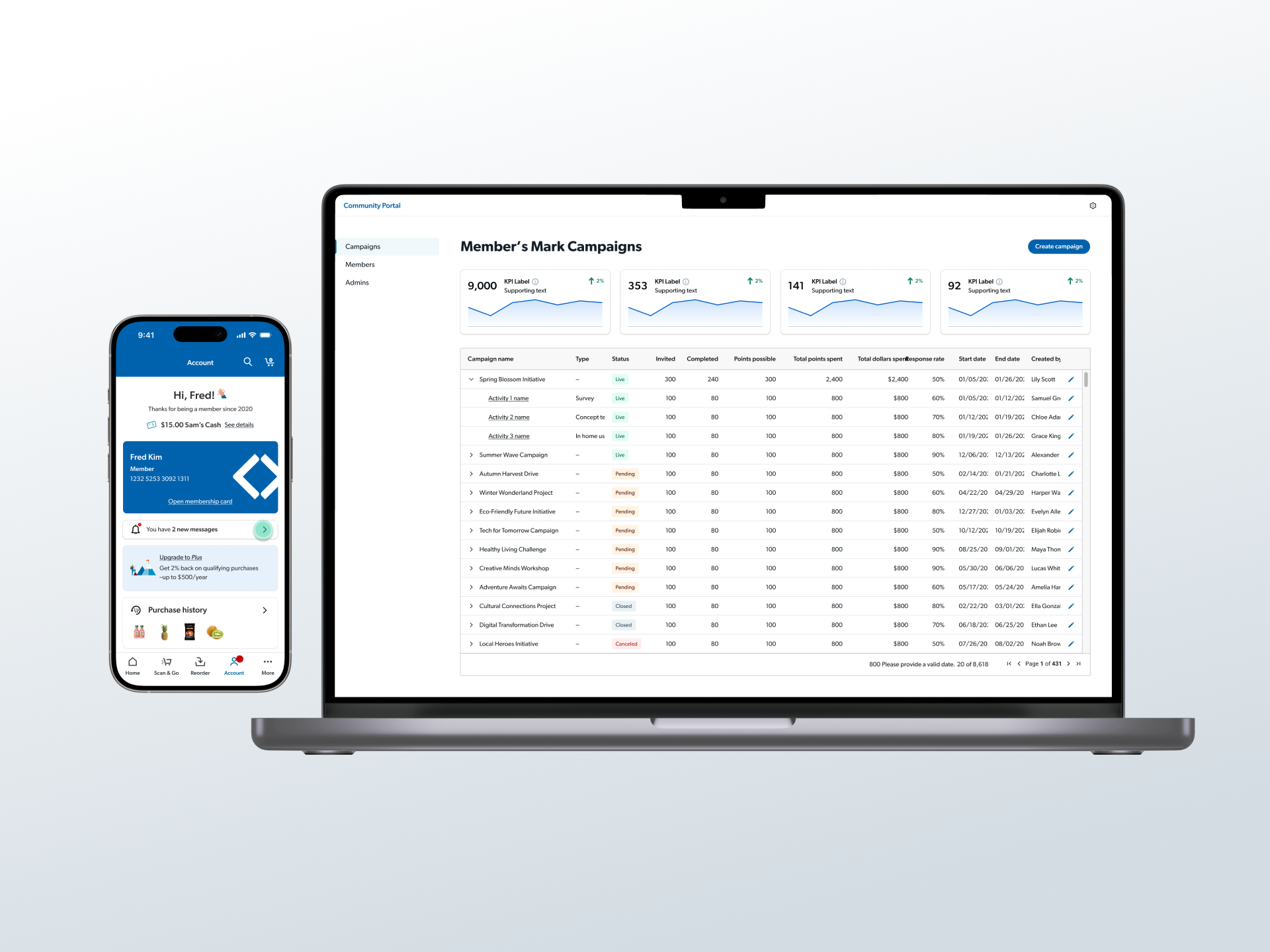
Before Message Center, Sam's Club had one channel to reach members: email. Members who didn't open emails were unreachable. Message Center changed that — introducing a native inbox and push notifications directly in the app for the first time.
I focused on making the experience accessible, flexible across message types, and consistent across platforms — so it could scale beyond launch without needing to be rebuilt.
The goal
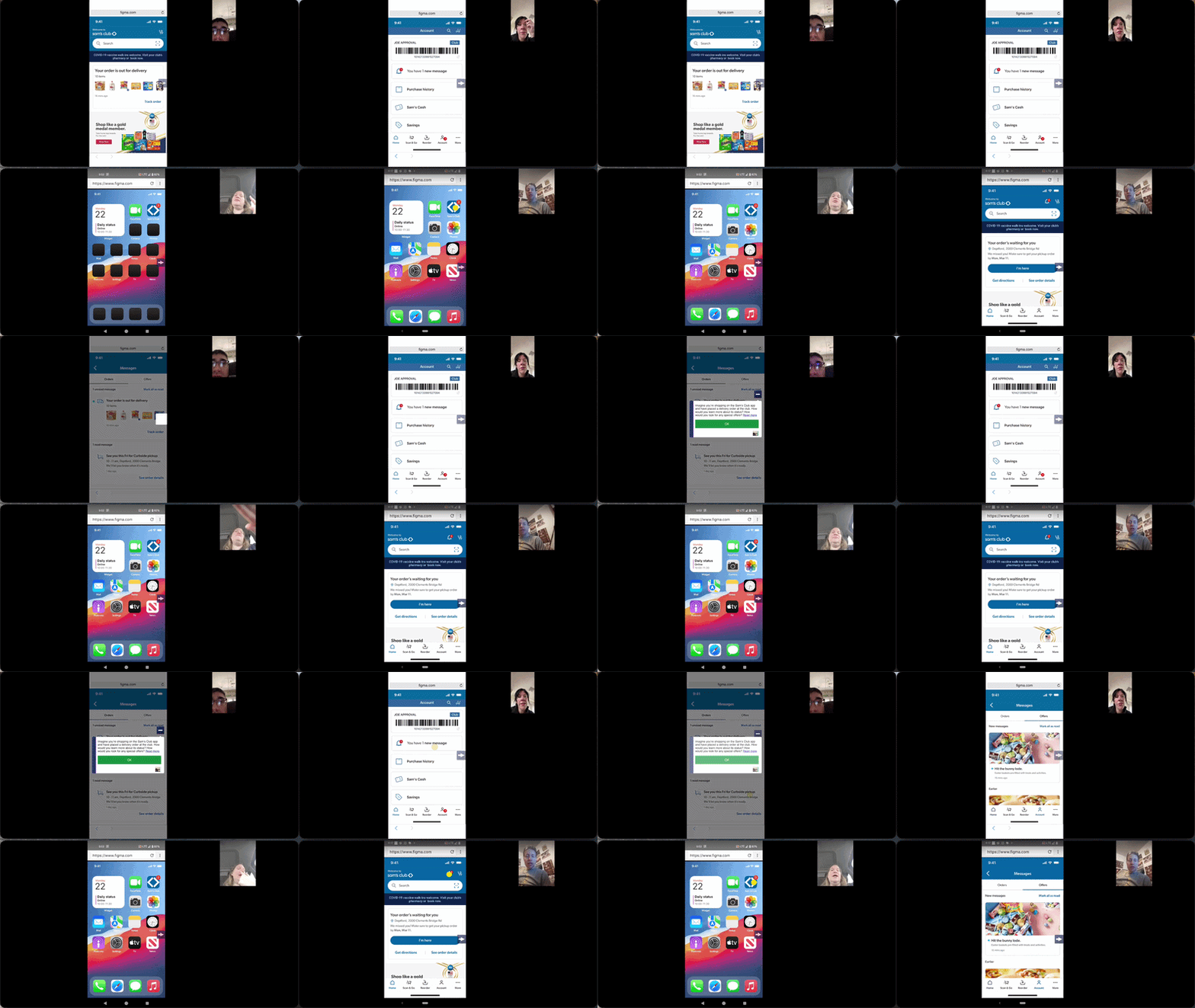
Enable members to find their messages quickly, without being taught how. The core question was discoverability. Message Center was a net-new feature — members had no mental model for it yet.
How we tested it
We tested whether red notification badges on the app icon, the account tab, and the Messages tile were enough to surface it intuitively.
Unlocked 1.8M Members
This initiative helped unlock access to 1.8M members who were previously unreachable through email, projected to deliver $316M in business value through improved engagement and savings visibility.
Member's Mark Community
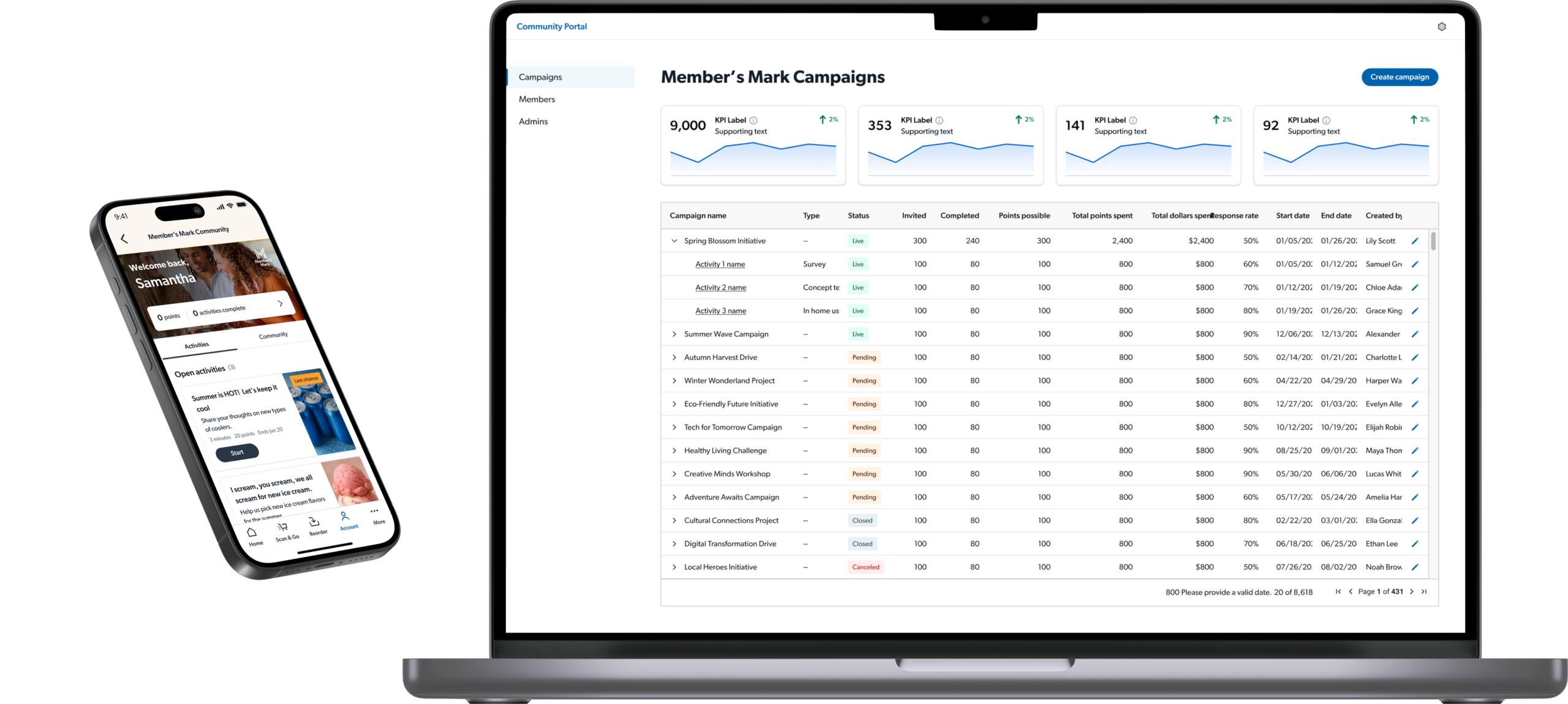
The product
Sam's Club had no owned way to collect member feedback. Legacy systems were slow, fragmented, and expensive — leaving the insights team with low-fidelity data and product selection decisions made with less confidence than the business needed.
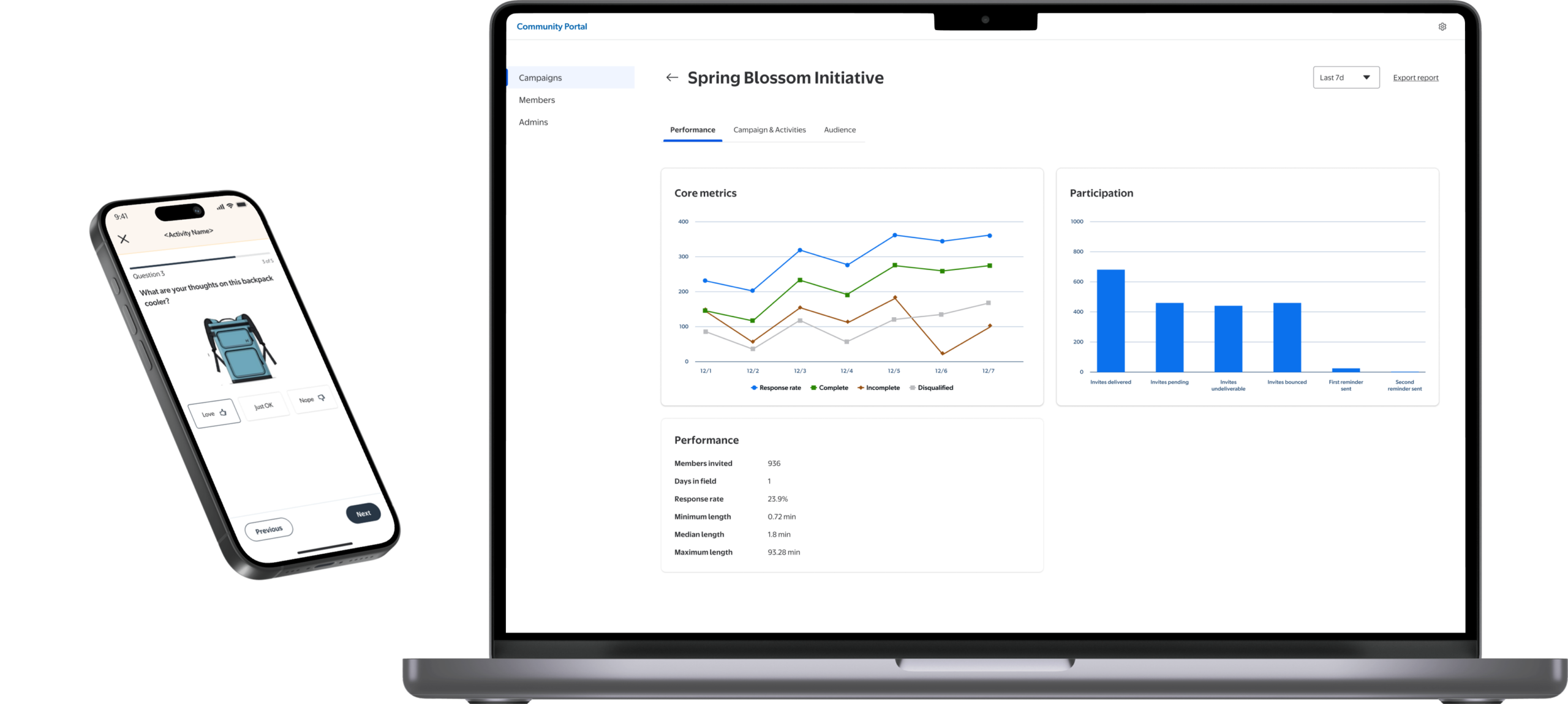
Member's Mark Community changed that. I designed the associate tools that helped internal teams recruit members, launch research activities, and turn participation into faster, more confident product decisions.
The goal
Create a more direct feedback loop between members and the teams building Member's Mark products.
The method
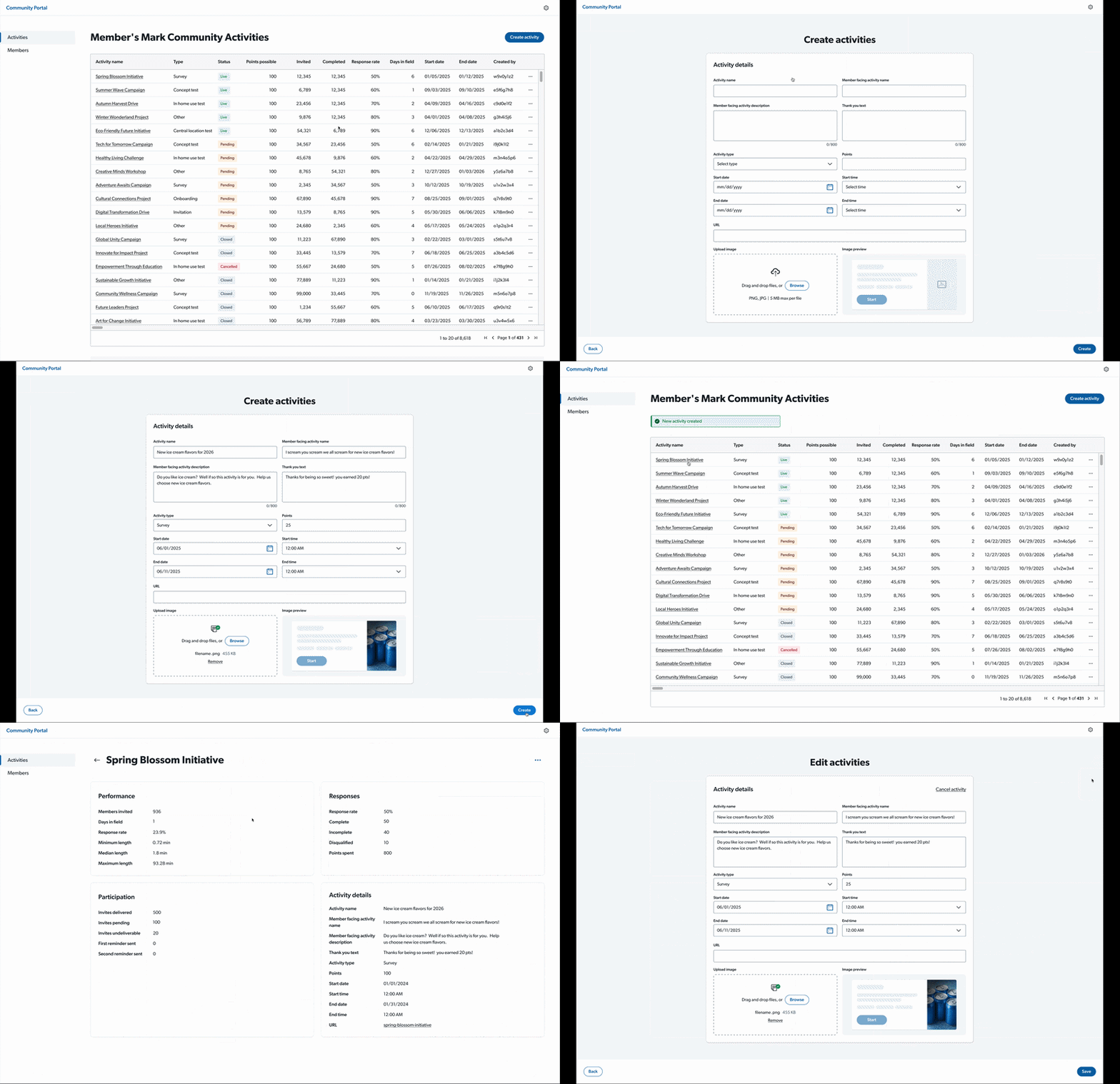
We worked iteratively — rapid prototypes, frequent refinement, and tight feedback loops with business stakeholders to pressure-test ideas early.
Tough calls

The hardest part wasn't coming up with ideas — it was knowing which ones to fight for. Features like data visualization and native survey tooling had real user value but hit engineering and timeline walls. I learned to prioritize and make the case for what mattered most.
Road to 50k users
My work created the foundation for launch and growth — supporting a Q4 FY26 pilot launch and a goal of 30% active membership growth across a 50,000-member base.
Marketing Automation
The product
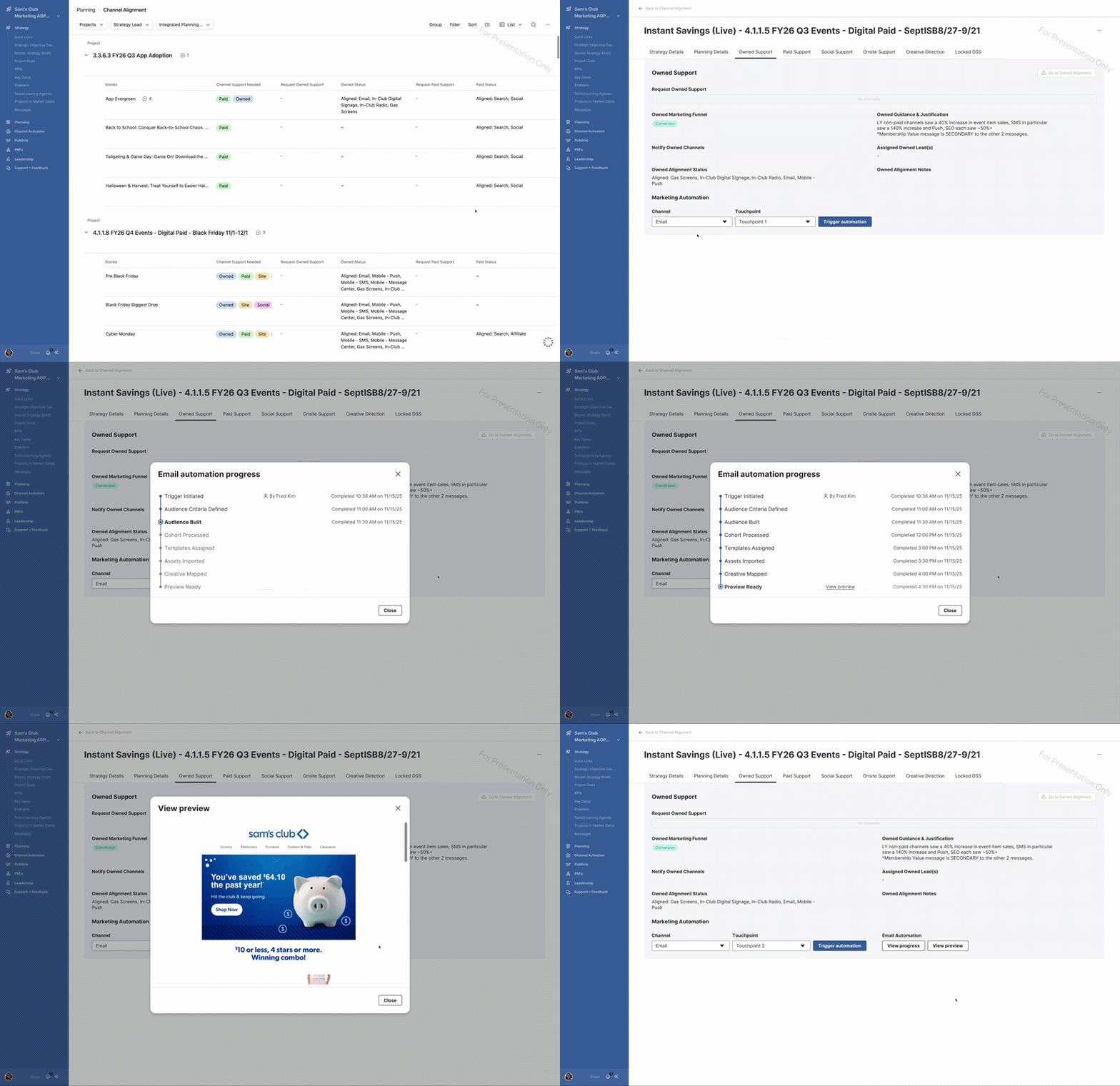
Marketing workflows were fragmented — disconnected tools, manual handoffs, slow execution. This prototype envisioned the fix: a fully integrated workflow where automation connects each step, eliminating friction between planning and execution.

The process
I led a 2-day cross-functional workshop moving through discovery, ideation, and prioritization — surfacing inefficiencies and defining opportunities for automation and smarter campaign orchestration.
Personalization
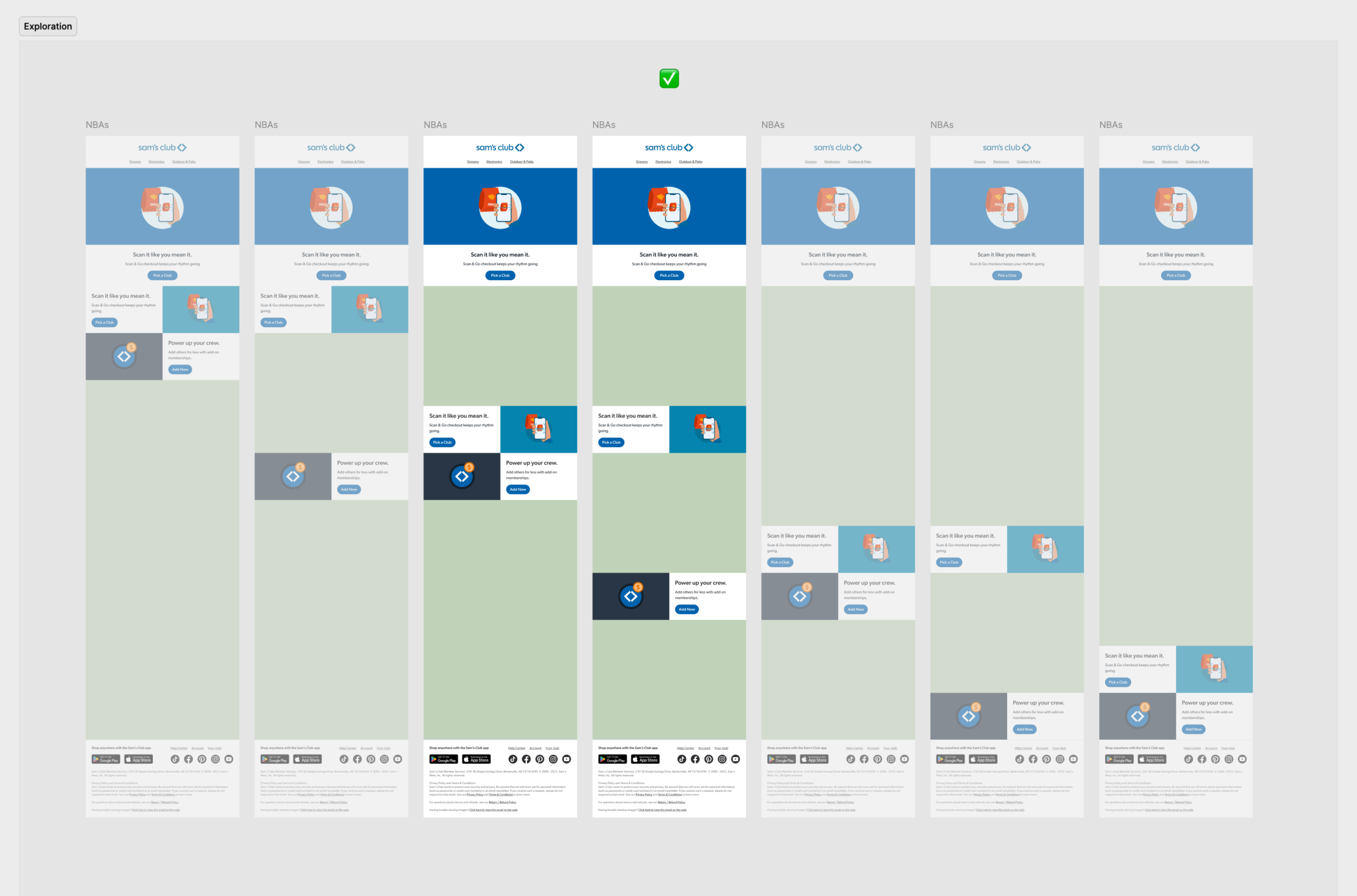
A key part of the work was designing for relevance, not just reach — working with the Content team to shape how messages were prioritized, personalized, and balanced with clarity. Personalization as product experience, not just a marketing layer.
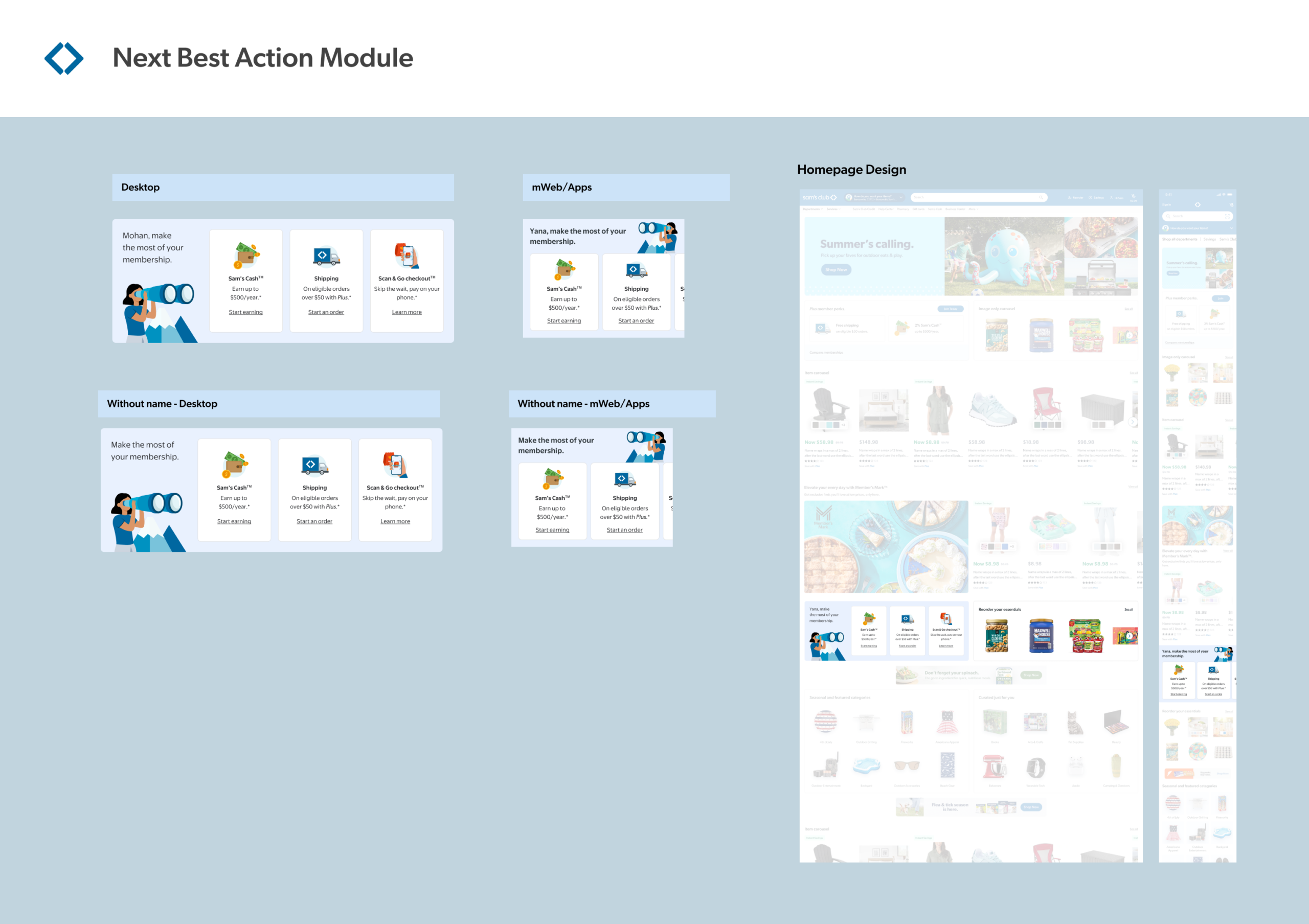
$4–5M in incremental operating income
The outcome was a validated journey roadmap projected to drive $4–5M through campaign efficiency and personalization — with vendor partnerships locked and engineering in active build at handoff.
Designing for scale
Systems thinking
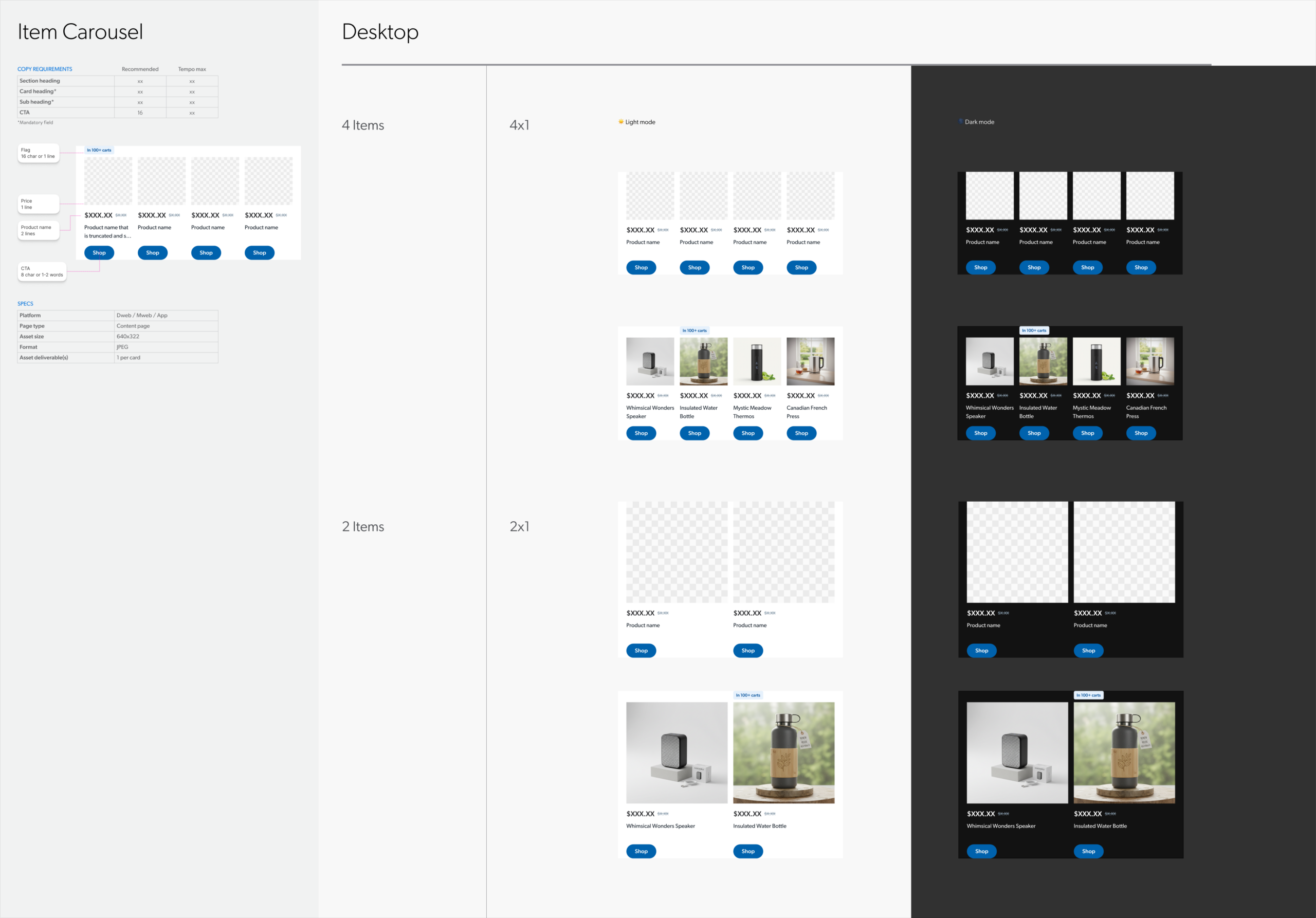
The experience spanned multiple platforms with evolving needs, so I designed for reuse from the start — consistent patterns, flexible structures, and a foundation that could scale with future business needs.
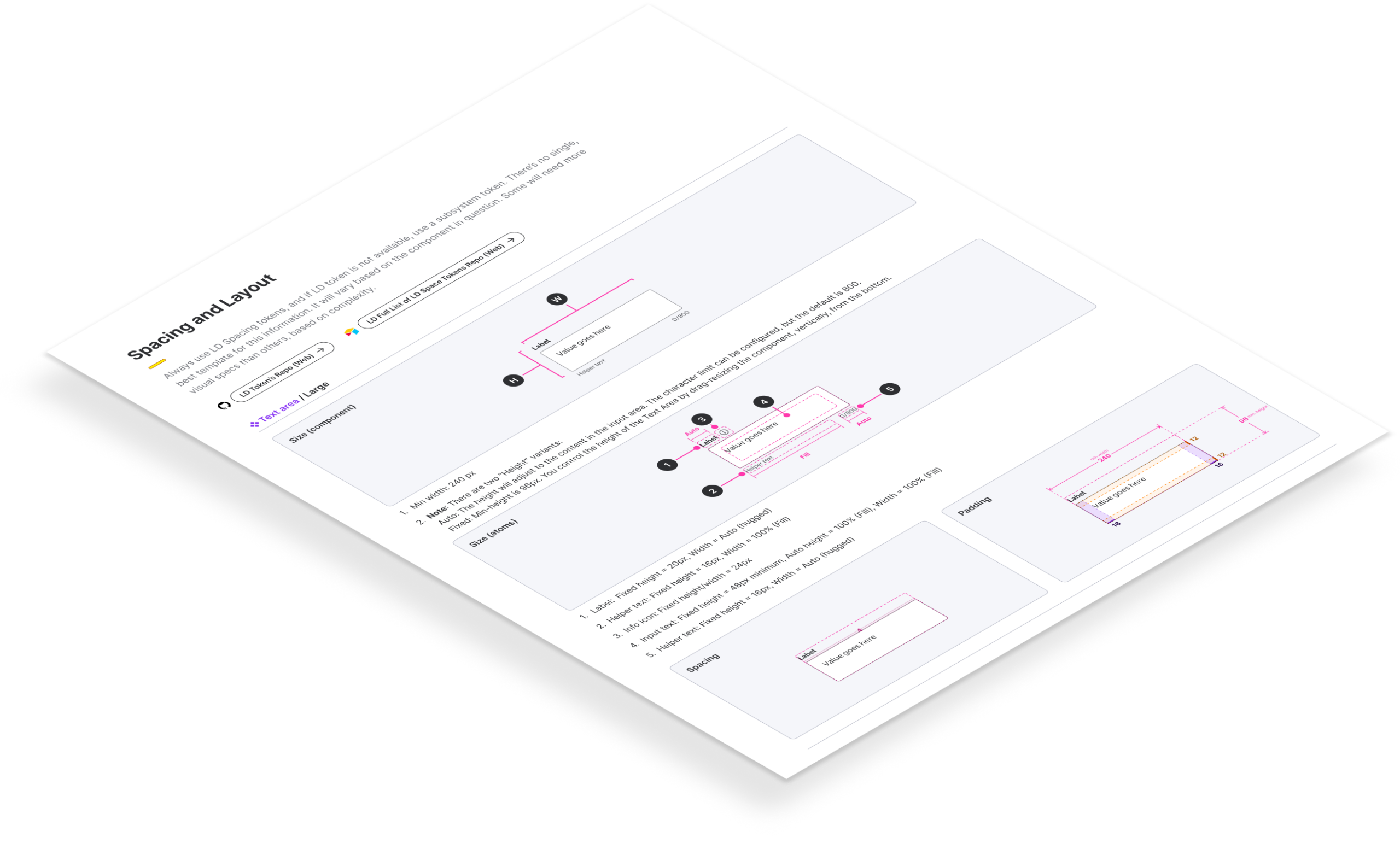
Multi-tenancy
In 2026, I moved to Walmart's design organization — expanding the scope of this work beyond Sam's Club to a broader set of Walmart tenants. The systems and patterns built here became the starting point.
Conclusion
How did it add up?
Three separate workstreams. One cohesive experience. How Sam's Club talks to its members — and how members talk back. Designing them together meant the experience could eventually feel coherent, not just consistent.
That's the kind of work I want to keep doing.
$316M in business value
50K community members
$4–5M projected operating income
TwitterEnterprise, Design Systems
TeslaEnterprise, Design Systems

Plus.aiStartup
Zoe FinancialConsumer, Associate
NxStopStartup

PhotographyPersonal